TMS for Anxiety in Glendale and Los Angeles, CA: A Treatment for Relief from Feelings of Fear, Dread, or Uneasiness
Transcranial Magnetic Stimulation (TMS) For Anxiety
What is Anxiety?
Before discussing TMS for anxiety, let’s make sure we are on the same page about what anxiety is. Anxiety is a feeling of fear, dread, or uneasiness. As a result of these feelings people may have difficulty sleeping, difficulty concentrating, sweating, rapid heart rate, panic attacks, decreased appetite, etc. When anxiety interferes with a person’s quality of life for an extended period of time, it becomes a disorder.
According to the World Health Organization, anxiety is the world’s most common mental health disorder, affecting over 300 million people, or 4% of the population. Over 40 million adults in the U.S. have an anxiety disorder, while 7% of children each year struggle with anxiety. Considering the scope of how many people are affected by anxiety, effective anxiety treatment options are very important to be aware of. For individuals in Glendale and Los Angeles, CA, understanding available treatment approaches can be an important first step toward finding relief. Before learning more about TMS for anxiety, click here to learn more about anxiety in general.
TMS For Anxiety vs. TMS For Depression
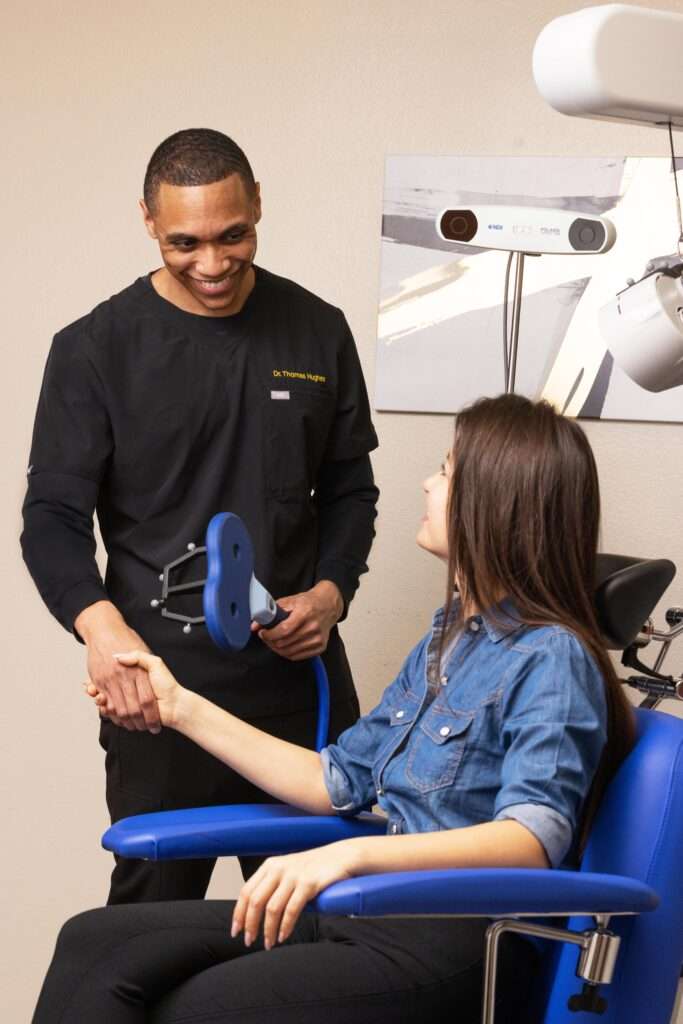
TMS received its initial FDA approval for in 2008 for the treatment of MDD. The target location to treat depression is the Left Dorsolateral Prefrontal Cortex (LDLPFC). The surface of the LDPFC is a doorway to the limbic system— where depressive symptoms are most readily treated. TMS sends magnetic pulses to the surface of the DLPFC, which will prompt stimulation into the deeper areas of the brain towards the limbic system. Only utilizing the surface of that target location limits the possible side effects, while maximizing the benefits.
TMS for anxiety-depression has been FDA cleared since 2021. Brainsway and Magstim are two TMS machines that are FDA cleared for this purpose. The difference between TMS for anxiety and TMS for MDD is that the target location is on the right side (for anxiety). Right sided pulses seek to calm brain cells down.
- Left sided TMS is effective with high frequency pulses (>10 Hz). Right sided TMS uses low frequency pulses (1 Hz).
- Right sided low frequency is inhibitory for brain cells, left sided high frequency is excitatory for brain cells.
TMS therapy for anxiety can also be fcMRI-guided for patients interested in maximizing treatment results. Click here to learn more about the benefits.
How Is Anxiety Typically Treated?
A combination of an SSRI medication and talk therapy is the current gold standard recommended for people suffering from clinical anxiety. The type of talk therapy utilized will depend on an individual’s needs and history. There are also many different medications, but no particular medication works for everyone due to variations in body chemistry. There are some people that can’t take any antidepressant without experiencing horrible side effects. If you struggle with psychiatric medications due to side effects, genetic testing before your next medication or TMS treatments may be options to consider. For patients in Glendale and Los Angeles, CA, TMS therapy may offer another path when traditional anxiety treatment has not provided enough relief.
Common medications (SSRIs): Prozac, Lexapro, Luvox, and Zoloft
Common therapy modalities: CBT, DBT, Psychodynamic, Acceptance and Commitment
Does Insurance Cover TMS For Anxiety
Insurance companies do not yet cover TMS for anxiety. Currently, they only cover TMS for depression. If you are interested in treatment for anxiety with TMS, you would have to pay out of pocket. The cost of treatment will depend on the individual provider that you receive treatment from. Hopefully, this will change as more evidence of the effectiveness of TMS is documented.
Some providers may also offer options such as accelerated TMS, depending on clinical recommendations, patient needs, and availability. This approach may involve a more concentrated treatment schedule compared with traditional TMS treatment timelines.
Summary of TMS For Anxiety
Talk therapy and antidepressant medication in combination can be very effective for treating anxiety disorders. If these traditional treatments do not work, TMS for anxiety is another option that may offer relief. TMS is overall considered a safe treatment, especially when compared to many medications. The reason you may not have heard about it is because there is still a need for more education and awareness in the field of psychiatry..
For individuals exploring TMS therapy in Glendale and Los Angeles, CA, learning about available treatment options can help make the next step feel more informed and manageable. If interested in scheduling an appointment or learning more, use the “Book A Discovery Call” button or enter your information below. A representative will contact you in the order your request was received. The office is located in Glendale, CA.